






Accepting digital payments in Botswana: mobile money, cards and online checkout
"Do you take card?" "Can I send it on Orange Money?" "What's your account number?" If your answer to any of these is "sorry, cash only," you're losing sales. Customers in Botswana increasingly expect to pay the way that suits them, and a business that makes paying easy gets paid more often.
Here's a practical guide to your options, and what to consider before choosing.
Your payment options
1. Mobile money wallets
Mobile money is one of the easiest ways for many Batswana to pay, especially for smaller amounts. The main wallets are:
- Orange Money
- Mascom MyZaka
- BTC Smega
Customers send money from their phone to your wallet or merchant number. For a small business, this can be as simple as displaying your number at the till or in your WhatsApp catalogue.
Good for: market stalls, small shops, home businesses, deliveries, services paid on completion.
Tip: if you can, register a business or merchant account rather than using your personal wallet. It keeps business money separate and looks more professional.
2. Card machines
A card machine (also called a point-of-sale or POS terminal) lets customers tap or swipe their debit or credit card. You can usually get one through your bank, and some payment providers offer smaller, mobile card readers that connect to your phone.
Good for: shops, restaurants, salons, pharmacies and any business with walk-in customers.
3. Online payment gateways
If you sell online, a payment gateway lets customers pay by card on your website. You can usually set one up through your bank or through a payment service provider that works with Botswana businesses. The gateway handles the secure card processing; your website shows the checkout.
Good for: online stores, booking systems, event tickets, subscriptions, deposits.
4. EFT (bank transfer)
Electronic funds transfer is still common, especially for larger amounts and business-to-business sales. You share your bank details or send an invoice, and the customer transfers the money.
Good for: B2B services, larger orders, deposits, monthly accounts.
Watch out for: fake proof-of-payment screenshots. Always confirm that the money has actually arrived in your account before releasing goods.
5. QR payments
QR code payments let a customer scan a code at your counter or on an invoice and pay instantly from a banking or wallet app. Availability depends on your bank and provider, so ask what they offer.
Good for: counters, deliveries, printed invoices and events.
What to consider before you choose
Each option has trade-offs. Weigh these up before you sign up.
Fees
Every digital payment method has costs: transaction fees, monthly fees, device rental, or set-up charges. These vary by provider and change over time, so compare current fees directly with each bank and provider. Then build them into your pricing so they don't eat your margin.
Settlement time
When does the money actually reach your bank account? Some methods are instant; others take a day or more. If your cash flow is tight, settlement time matters as much as fees.
Reconciliation
The more ways you accept money, the harder it is to know who paid for what. Make sure every payment can be matched to an order or invoice: use invoice numbers as payment references, download statements regularly, and use accounting software if you can.
Fraud and chargebacks
Card payments can be disputed. A chargeback happens when a customer (or their bank) reverses a payment, for example if they claim they didn't receive the goods or didn't authorise the transaction. Protect yourself:
- Keep proof of delivery and signed receipts
- Be wary of unusually large or rushed online orders
- Never release goods based on a screenshot alone
- Use the security features your provider offers
Receipts
Customers expect proof of payment, and you need records for your accounts and for BURS. Choose methods that generate receipts automatically, by SMS, email or printed slip, or make sure you issue one every time.
Customer trust
People are cautious about paying online, and for good reason, given how many scams there are. Build trust by:
- Using a recognised, secure payment gateway (look for HTTPS on your checkout)
- Showing clear prices, delivery terms and a returns policy
- Displaying real contact details and a physical address
- Sending instant confirmation after payment
Which should you start with?
| Your business | Start with |
|---|---|
| Home business or market stall | Mobile money, plus EFT for larger orders |
| Shop, salon or restaurant | Card machine plus mobile money |
| Online store | Online payment gateway plus EFT |
| B2B services | EFT and invoices, with online card payment as an option |
You don't have to offer everything on day one. Start with the two methods your customers ask for most, then add more as you grow.
Put payments on your website
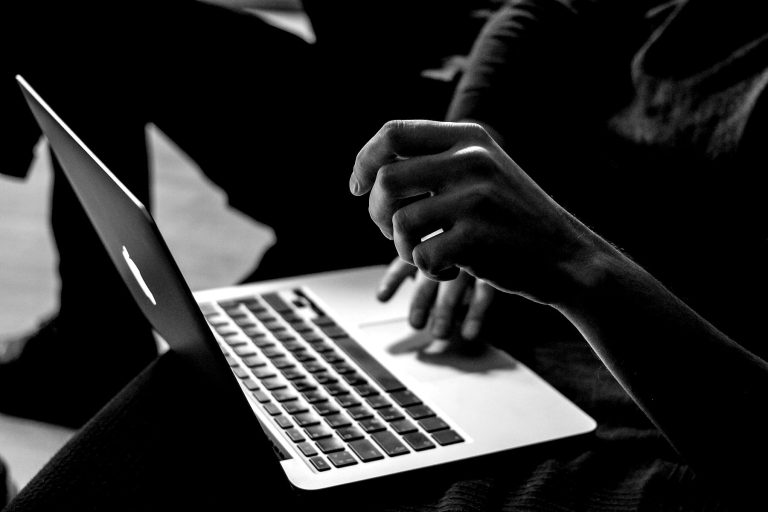
If customers can find you online but can't pay you online, you're making them work too hard. A website with secure checkout lets customers buy, book or pay deposits any time, and payments can flow straight into your order records, so reconciliation is easier too.
We build websites and online stores with integrated payments for Botswana businesses.
Want help putting this into practice?
Book a free 15-minute chat and we’ll show you the simplest next step for your business.
Let’s talk